


Curtain hooks for motorhomes fail more often than homeowners expect, and the culprit is rarely the ...
Ev / Haberler / Sektör Haberleri / Curtain Hooks for Motorhomes: Metal Options, Installation, and Custom Manufacturing
Curtain hooks for motorhomes fail more often than homeowners expect, and the culprit is rarely the curtain itself. Vibration, temperature swings from -20 degrees Celsius to 60 degrees Celsius, and thin wall panels turn a simple hook into a fatigue point. The practical answer: choose metal hooks that spread load, resist corrosion, and match the mounting surface. Plastic adhesive hooks may work for a static bedroom window, but they creep and release when the vehicle moves. Below is a direct comparison of materials, mounting methods, and custom manufacturing options so you can specify the right hardware the first time.
A motorhome curtain moves constantly. Even on a smooth highway, the curtain swings with every lane change and brake application. That repeated motion creates a peeling force on adhesive hooks and a bending force on screw-mounted hooks. In a stationary house, a curtain hook carries mostly static load. In a motorhome, the same hook sees dynamic load cycles that can exceed 10,000 cycles in a single trip.
Three failure modes dominate. First, adhesive pads lose grip when the interior reaches 50 degrees Celsius or higher, a common temperature behind a windshield. Second, screws pull out of 3 mm or 4 mm plywood because the thread engagement is too short. Third, zinc-plated hooks develop white rust after repeated condensation cycles, especially in coastal regions. Each failure mode has a material or design solution.
If you are replacing hooks in a fleet of rental motorhomes, the cost of a callback is far higher than the cost of a better hook. A metal hook with a wide base and a corrosion-resistant coating may cost a few cents more, but it eliminates the labor of reinstallation and the risk of curtain damage.
Metal hooks outperform plastic in almost every motorhome application, but not all metals are equal. The table below compares common options using real workshop data and field experience.
| Material | Load Capacity | Corrosion Resistance | Best Use |
|---|---|---|---|
| ABS plastic | Low, 1 to 2 kg | Good, but UV degrades | Static bedroom windows |
| Stainless steel 304 | High, 10 kg or more | Excellent | Kitchen and bathroom areas |
| Aluminum 5052 | Medium, 5 to 8 kg | Good with anodizing | Lightweight curtain tracks |
| Zinc-plated steel | High, 8 to 12 kg | Moderate, needs coating | Budget-friendly OEM runs |
| Powder-coated steel | High, 8 to 12 kg | Very good if coverage is complete | Color-matched interior hardware |
Stainless steel 304 is the default for wet areas because it resists pitting from road salt and condensation. Aluminum is lighter and works well when the hook is part of a track system, but it needs anodizing or powder coating to avoid galling against stainless screws. Zinc-plated steel is the most economical choice for dry sleeping areas, provided the plating thickness meets the specification. Powder coating adds color and a thicker barrier, but deep drawing or sharp bends can thin the coating at corners, which is a known issue in powder-coated steel parts.
For a technical review of how surface treatment affects friction and wear, see this article on surface treatment for bending parts. The same principles apply to hook surfaces that rub against curtain rings.
Material selection also depends on the mating curtain ring. A stainless steel ring sliding on a stainless steel hook can gall without lubrication. A nylon or acetal ring on a stainless hook runs smoother and quieter. If you specify a metal hook, match the ring material to avoid noise and wear.
Mounting method determines the real load limit more than the hook material. A 304 stainless hook rated for 10 kg can still pull out of a 3 mm plywood panel at 3 kg if the screw has only 8 mm of thread engagement. The table below shows typical pull-out strengths for common mounting configurations.
| Mounting Method | Substrate | Typical Pull-Out Force | Notes |
|---|---|---|---|
| Adhesive pad | Painted plywood | 2 to 4 kg at 20 degrees Celsius | Drops to 0.5 kg at 50 degrees Celsius |
| No. 6 screw, 12 mm | 15 mm plywood | 8 to 12 kg | Pre-drill to avoid splitting |
| No. 8 screw, 16 mm | 18 mm plywood | 15 to 20 kg | Use with a backing plate |
| Rivet nut | Metal frame | 20 kg or more | Requires access to both sides |
| Track with multiple screws | Plywood or frame | 30 kg or more | Distributes load along the track |
For motorhomes, a track system almost always outperforms individual hooks. A 1 m aluminum track fastened with five screws spreads the curtain load across the wall, so each screw carries only a fraction of the total. The trade-off is installation time and visible hardware. If you prefer individual hooks, use at least two screws per hook and place them at least 25 mm apart to avoid splitting the panel.
Wall thickness matters. Many motorhome interior panels are 3 to 5 mm plywood or composite. A screw with 12 mm of thread engagement will pass through the panel and into the insulation, providing little grip. In that case, use a hollow-wall anchor or add a wooden backing block bonded to the inside of the panel. The backing block increases the effective thickness and gives the screw something to bite.
Vibration loosens screws over time. Apply a thread-locking adhesive or use a nylon-insert lock nut. Check torque after the first 500 km and then every 5,000 km. A hook that feels tight in the driveway may be loose after a rough road.
Standard hooks rarely match every motorhome model. Curtain track profiles vary, wall thickness changes between the cab and the rear bedroom, and interior designers often want a specific finish. Custom metal hooks solve these problems, and the manufacturing process is straightforward for a qualified stamping and bending supplier.
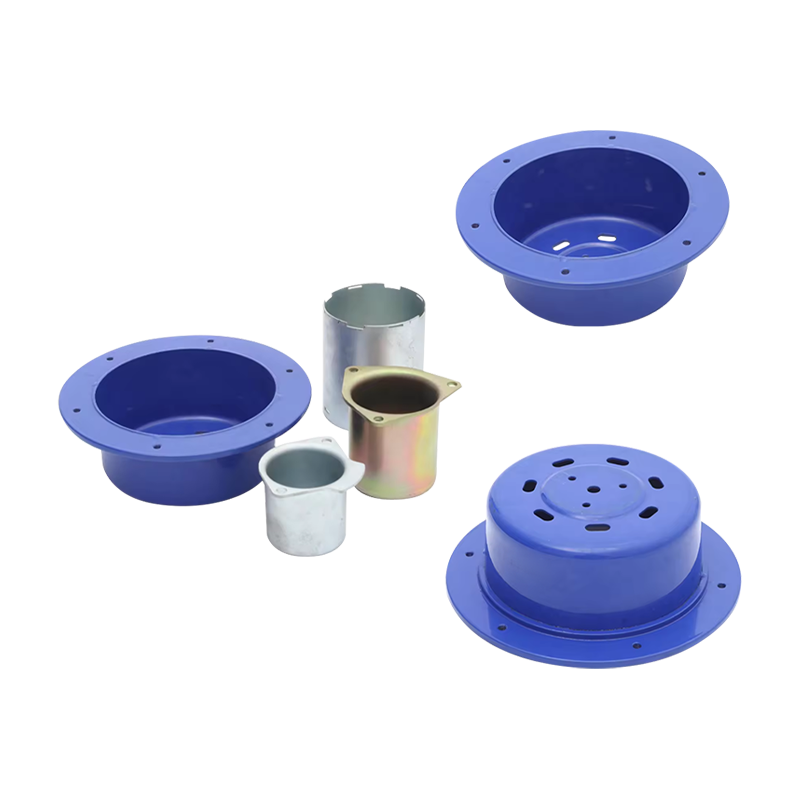
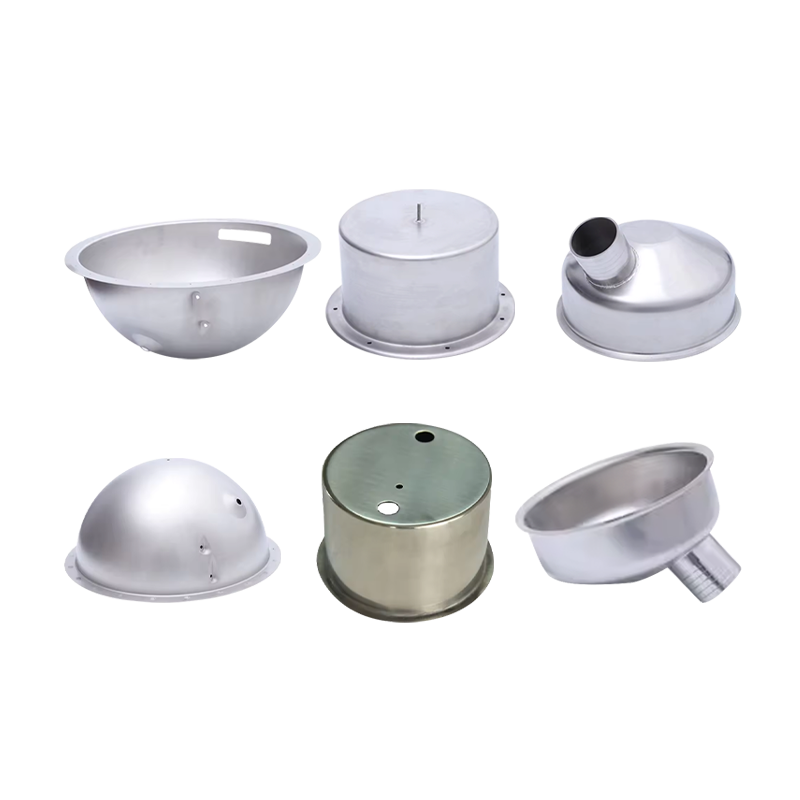
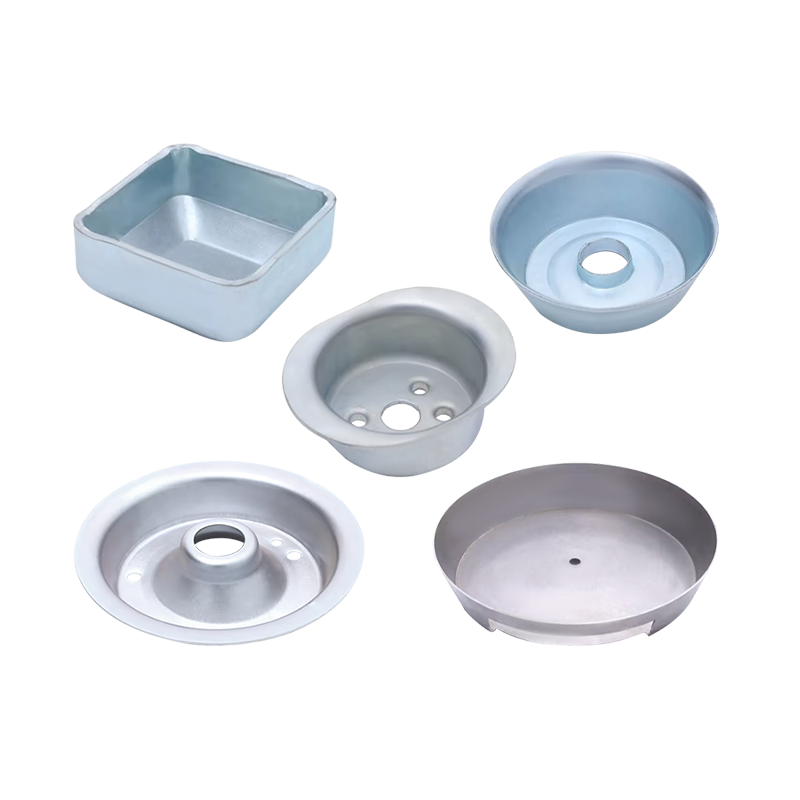
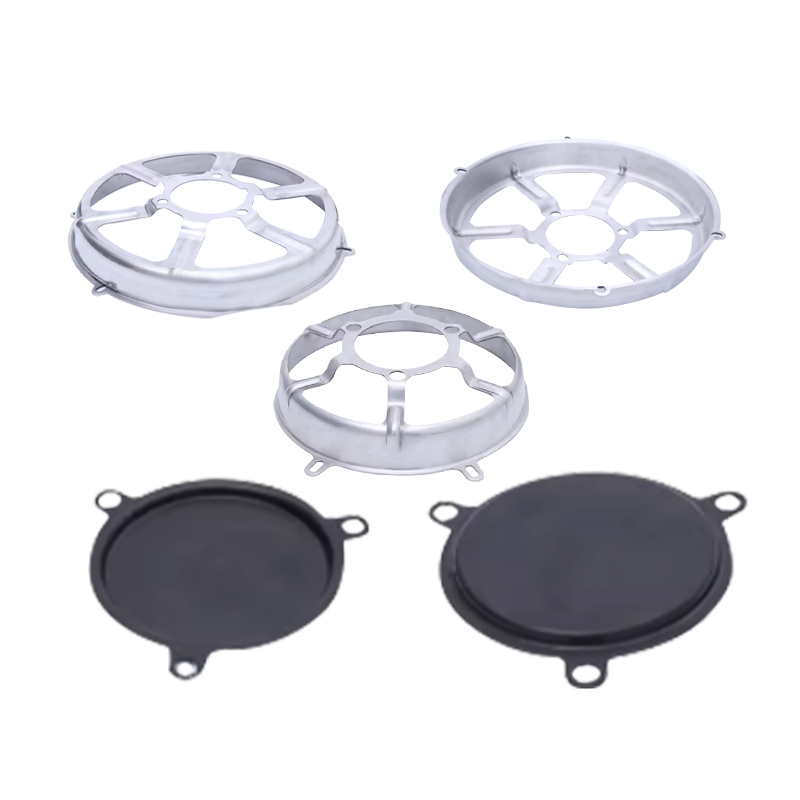
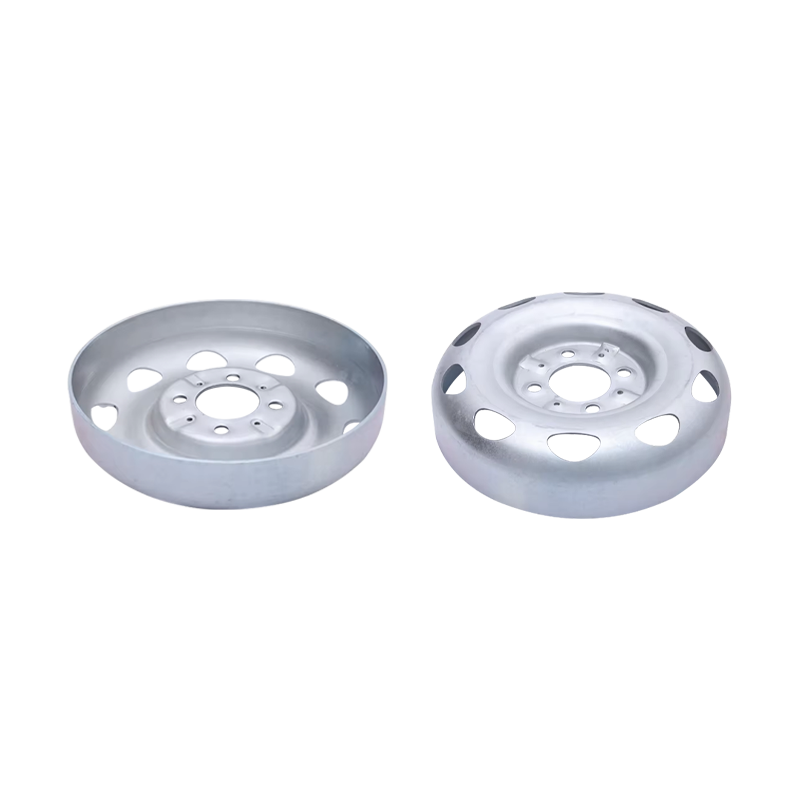
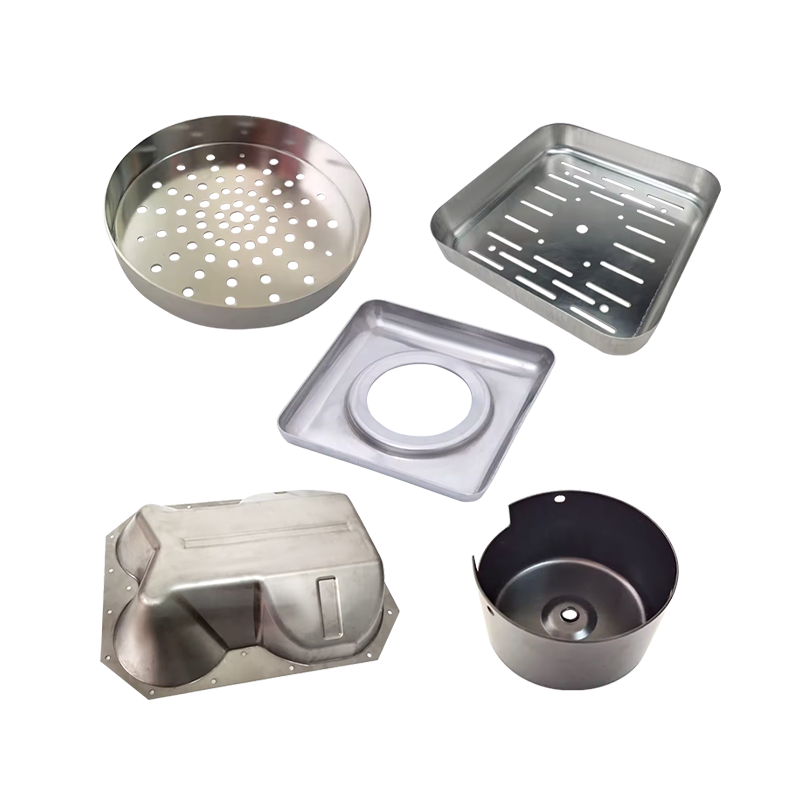
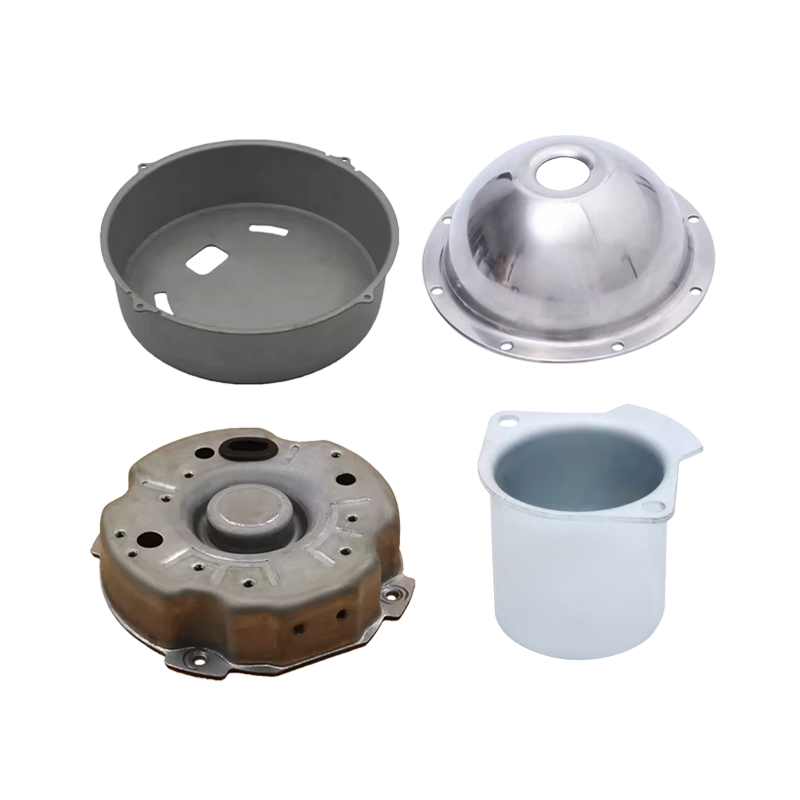
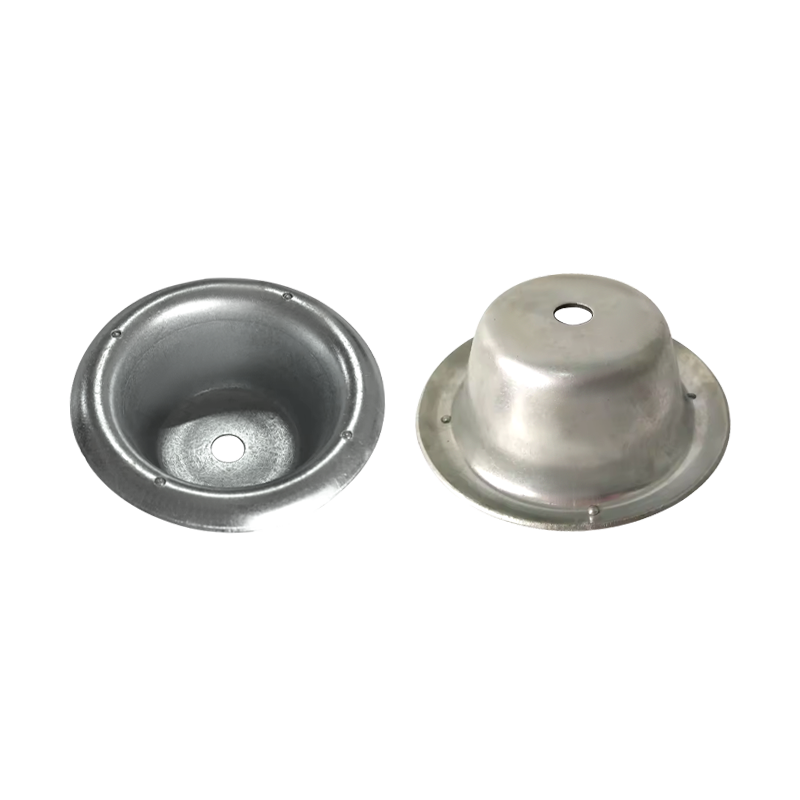
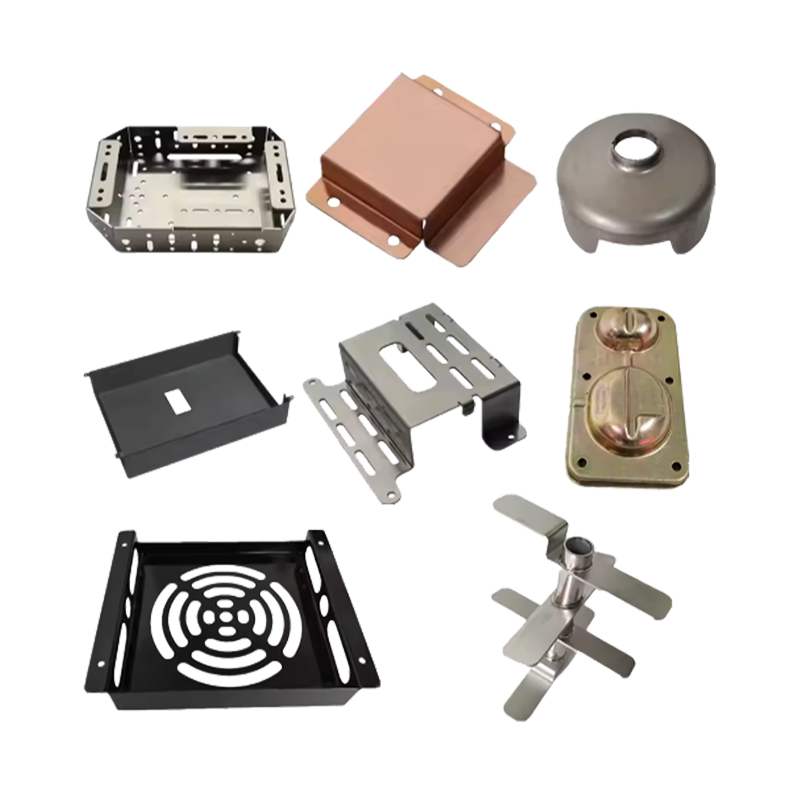
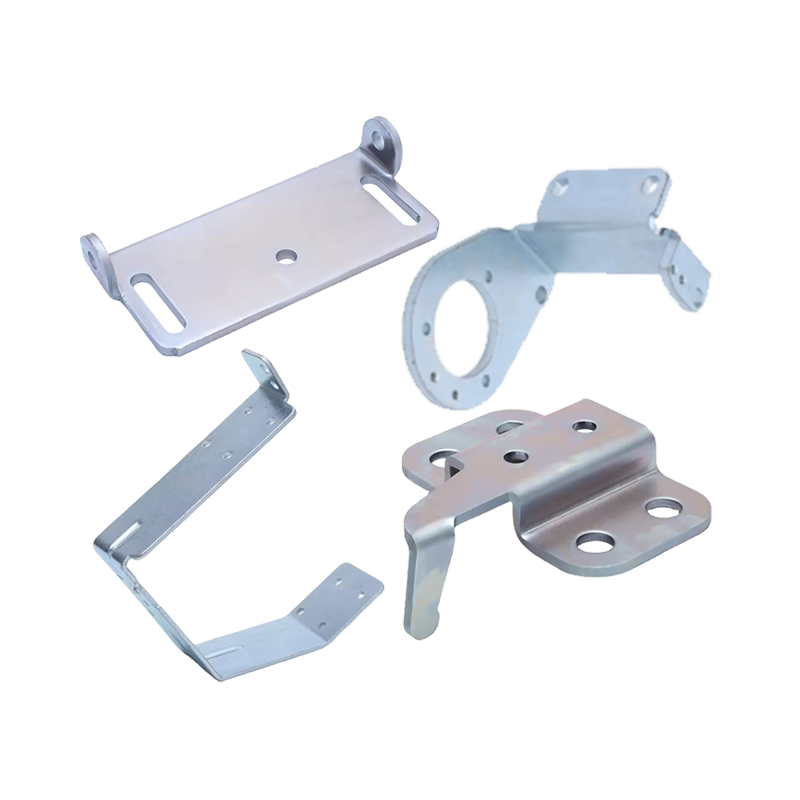
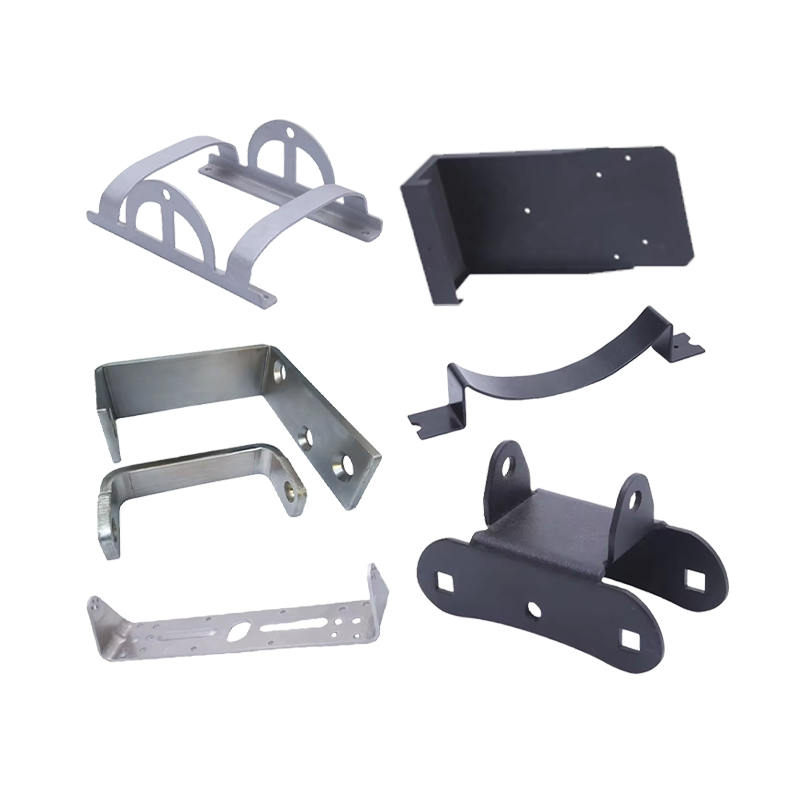
At our factory, curtain hook blanks can be produced on mechanical presses from 4T to 1000T, with a maximum stamping size of 1300 mm by 1000 mm and material thickness up to 20 mm. Bending and forming operations create the hook profile, and a powder coating or zinc plating line provides the finish. We also have an in-house tool shop, so a new hook design can move from drawing to sample without waiting for an external mold supplier.
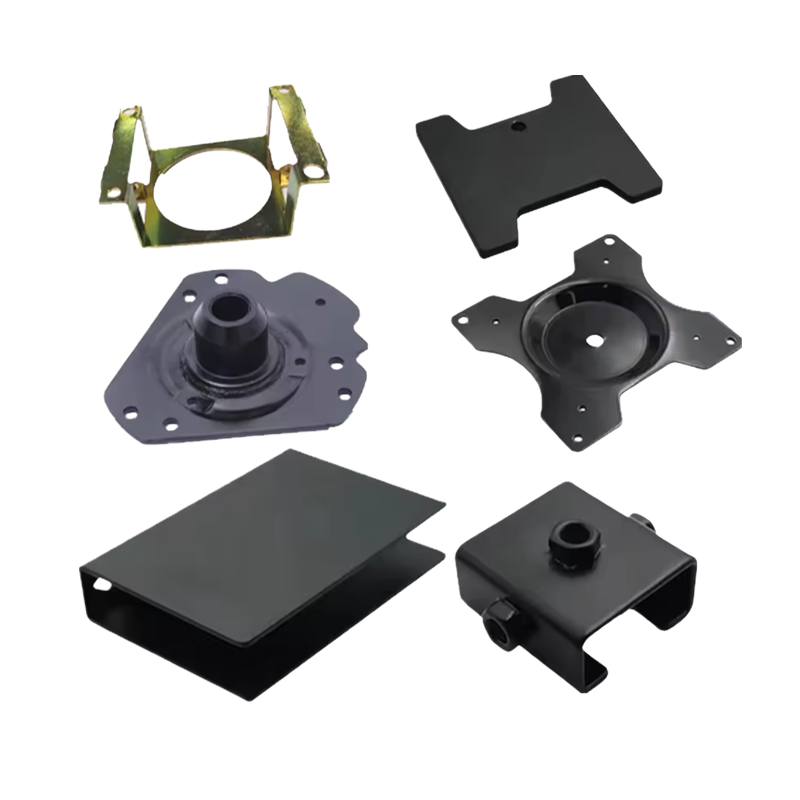 High Precision Custom Metal Stamping Parts for OEM ComponentsCustom metal stamping for high-precision components, with carbon steel, stainless steel, aluminum, brass, titanium and finishing choices; suitable for stamping and bending inquiries.View Product →
For hooks that need a smooth radius and a precise ring gap, the bending process is critical. A bend radius that is too tight can crack the coating or create a stress concentration. A radius that is too large makes the hook feel loose and allows the curtain ring to rattle. Our bending team works with tolerances of plus or minus 0.2 mm on critical hook dimensions, which is tight enough for a consistent snap fit.
 Custom Sheet Metal Stamping and Bending Parts for OEM FabricationCustom sheet metal stamping and bending parts in aluminum or stainless steel, with multiple finish options; relevant to hook bending and coating checks.View Product →
Material choice for custom hooks often lands on 304 stainless steel or powder-coated steel. Stainless steel 304 handles condensation and road salt without rusting, which is important for hooks near a slide-out or entry door. Powder-coated steel offers a lower cost per part and a wide color range, but the coating must cover the bend area completely. Our quality system follows ISO 9001:2015, and we inspect coating thickness and adhesion on every production lot.
If your volume is low, a simple stamped hook with a deburred edge may be enough. If your volume is high, a progressive die can produce the hook with the mounting hole, reinforcing rib, and bend in one operation. That reduces part count and assembly labor. For a fleet of 500 motorhomes, the tooling cost is usually recovered within the first production run.
Even the best hook fails if installation is rushed. Follow these steps for a reliable result.
After installation, inspect the hooks every 5,000 km. Look for loose screws, cracked coating, and white rust. Replace any hook that shows corrosion because a weakened hook can fail without warning. Keep a few spare hooks and screws in the tool kit. A five-minute repair on the road is better than a curtain that falls down on a mountain pass.
For motorhome curtains, the best hook is the one that matches the wall, the curtain weight, and the driving conditions. Metal hooks with a proper coating and a well-designed mounting method will outlast plastic alternatives by a wide margin. If standard parts do not fit, custom stamping and bending offer a practical path to a durable, model-specific solution.
İster ortağımız olmak isteyin, ister ürün seçimi ve sorun çözümleri konusunda profesyonel rehberliğimize veya desteğimize ihtiyaç duyun, uzmanlarımız dünya çapında 12 saat içinde her zaman yardıma hazırdır.
bize Ulaşın
Phone:+86 139-5824-9488
FAX :+86 574-86150176
E-mail: [email protected] [email protected]
Address: Ünite 2, Bina 19, Zhichuangzhizao Parkı, Chengdong Sanayi Bölgesi, Xiangshan, Ningbo,315705, Zhejiang, Çin
Curtain hooks for motorhomes fail more often than homeowners expect, and the culprit is rarely the ...
A harness shop recently scrapped two thousand crimped connectors that had passed visual inspection ...
Bir karavan lavabosu kurulum kitini açıyorsunuz ve paslanmaz bir kase, bir musluk, bir pompa, ...
