

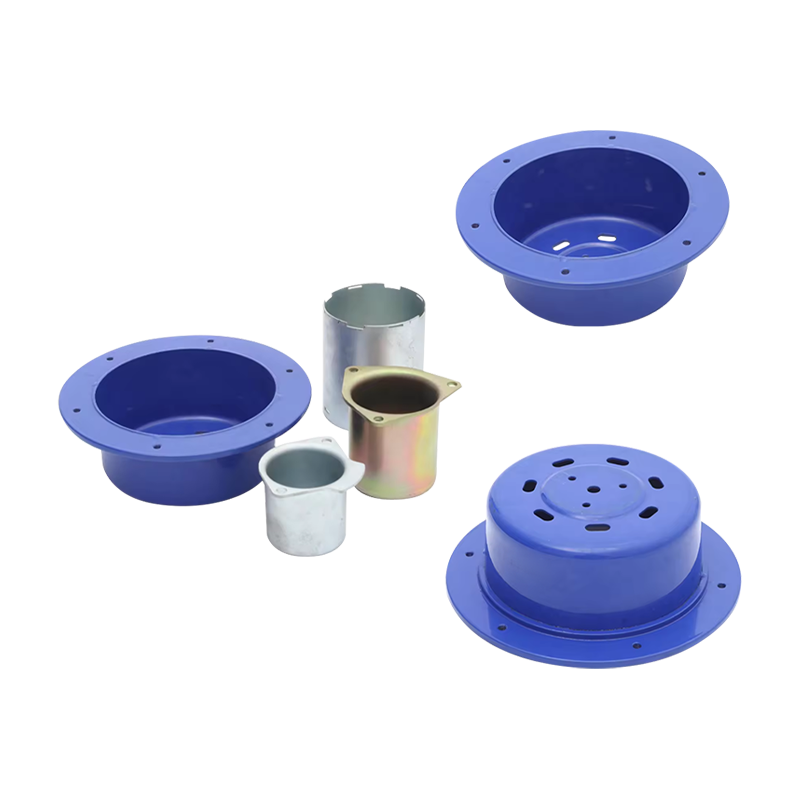
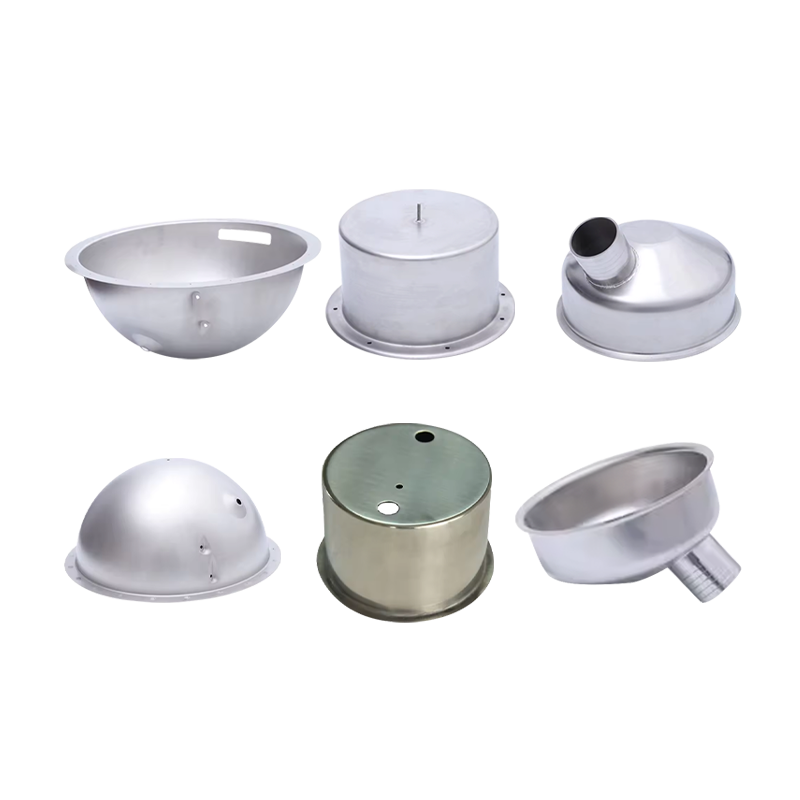

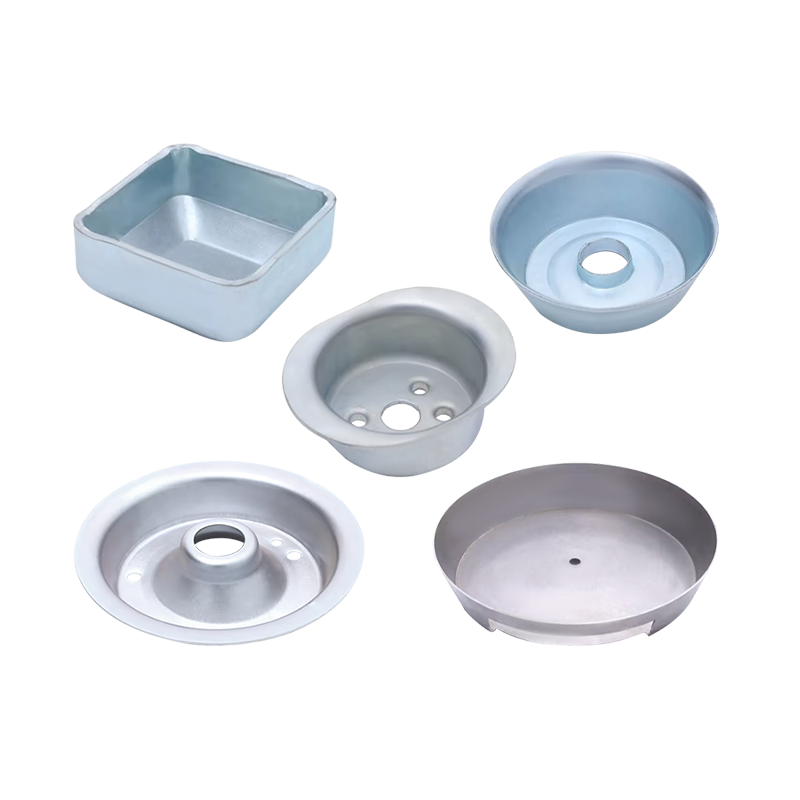
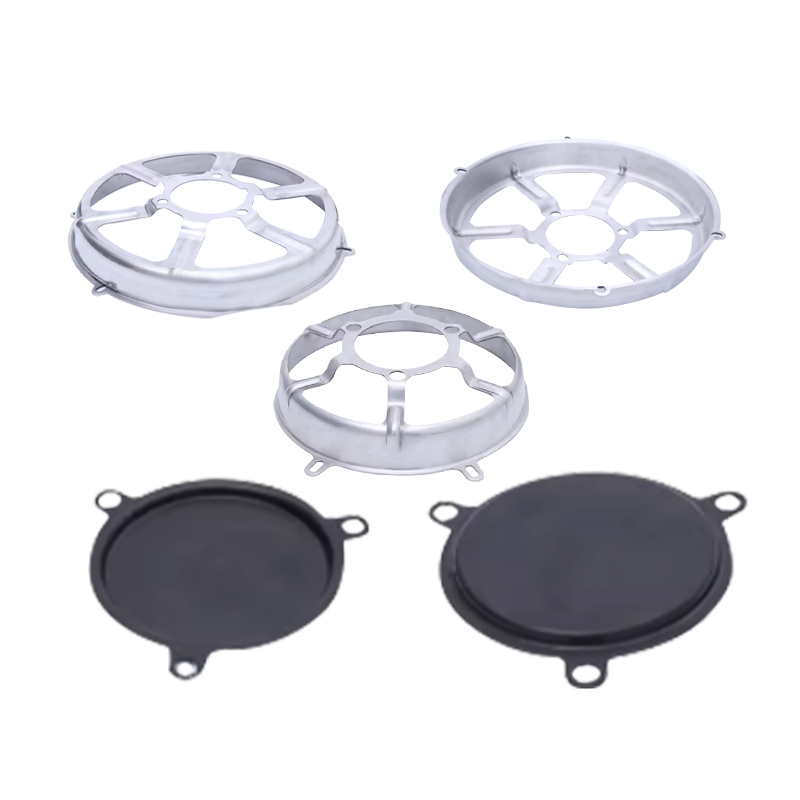
Palet ayakları ve yuvalama tapaları iki bileşenli bir yükseltme ve istifleme s...
Ev / Haberler / Sektör Haberleri / Depolama sistemlerinde palet ayakları ve yuvalama tapalarının uygulaması nedir?
palet ayakları ve yuvalama tapaları depolama sistemlerinde iki bağlantılı role hizmet eder: palet ayakları, malları korumak ve kolay taşıma sağlamak için dayamaları ve paletleri yerden yükseltir; yuvalama tapaları ise istiflenmiş paletleri ve dayamaları hassas hizalamaya kilitleyerek kaymadan güvenli bir şekilde istiflenmelerini sağlar. Kirmell Ltd, bu kombinasyonu doğrudan açıklayarak, palet ayaklarının kir ve nemle teması önlemek için paletleri yerden yükselttiğini, yerleştirme tapalarının ise depolama sırasında ürünleri düzenli ve sabit tutmak için boşlukları ve boşlukları doldurduğunu belirtiyor (Kaynak: Kirmell Ltd, Palet Ayakları ve Yerleştirme Tapalarıyla Çözülen Ortak Depolama Sorunları). Bu iki küçük çelik veya plastik bileşen birlikte, depo depolamasındaki en kalıcı sorunlardan bazılarını çözer: boşa harcanan zemin alanı, dengesiz istifleme ve kirlenme riski.
Çoğu zaman birlikte satılıp tartışılsalar da palet ayakları ve yuvalama tıkaçları aynı depolama sistemi içinde iki farklı fiziksel sorunu çözer.
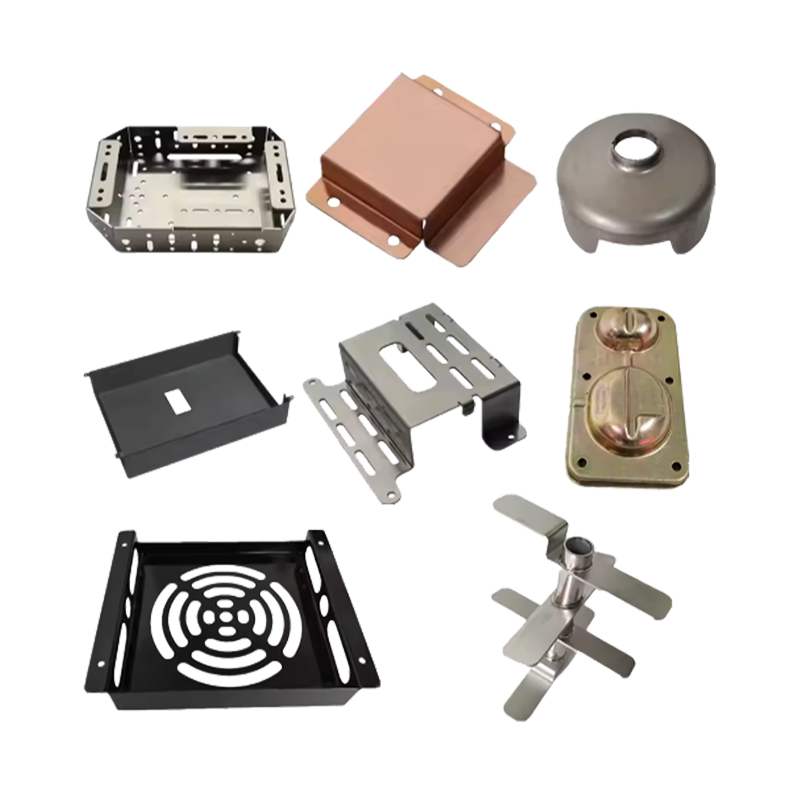
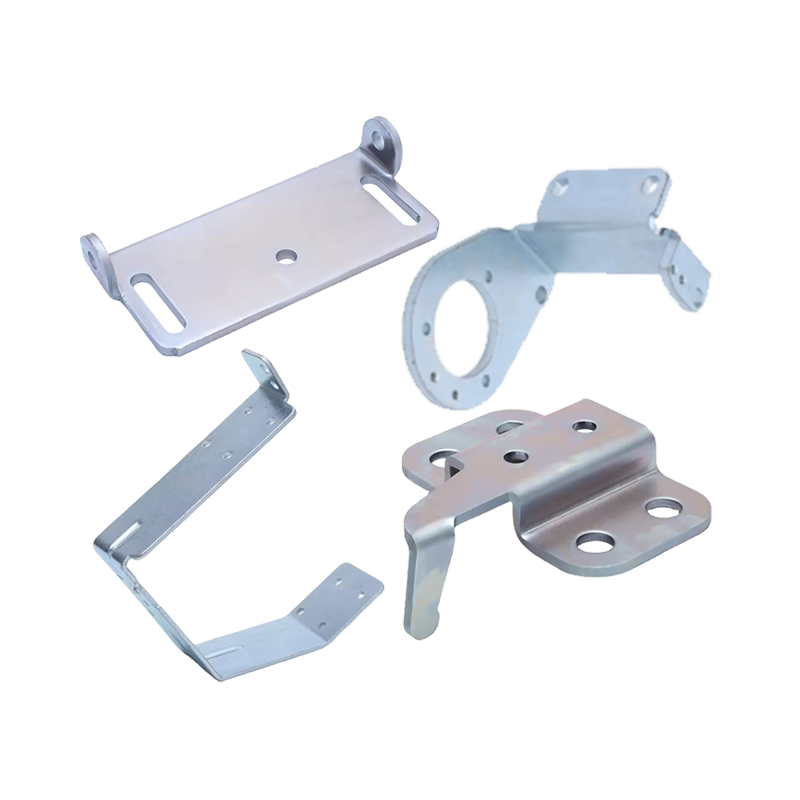
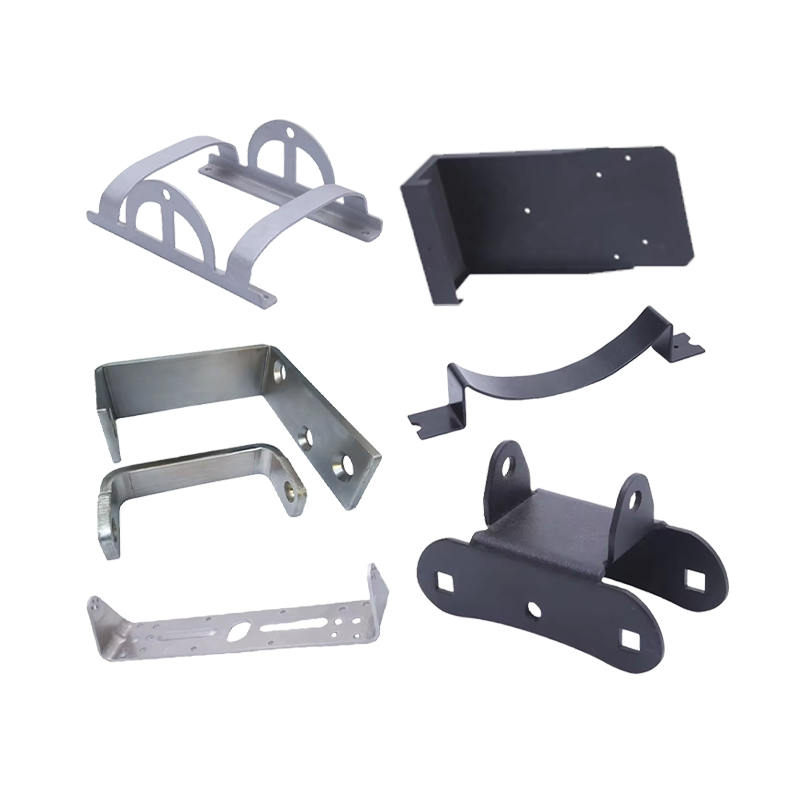
Palet ayakları, bir paletin veya dayamanın kutu kesitli veya açılı kesitli ayaklarına oturan, güçlü, sağlam bir taban oluşturan preslenmiş çelik, paslanmaz çelik veya alüminyum bileşenlerdir. Kirmell Ltd, palet ayaklarının kutu bölümlerine güvenli bir şekilde oturarak depolar, fabrikalar ve lojistik merkezlerinde taşıma ve istiflemeyi kolaylaştıran güçlü bir taban oluşturduğunu açıklıyor (Kaynak: Kirmell Ltd, Palet Ayakları ve Yerleştirme Tapaları). FH Brundle aynı işlevi daha basit terimlerle tanımlıyor ve palet ayaklarının ve yuvalama tıkaçlarının dayamaları ve konteynırları desteklemek için kullanıldığını belirtiyor (Kaynak: FH Brundle, Palet Ayakları ve Yuvalama Tıkaçları).
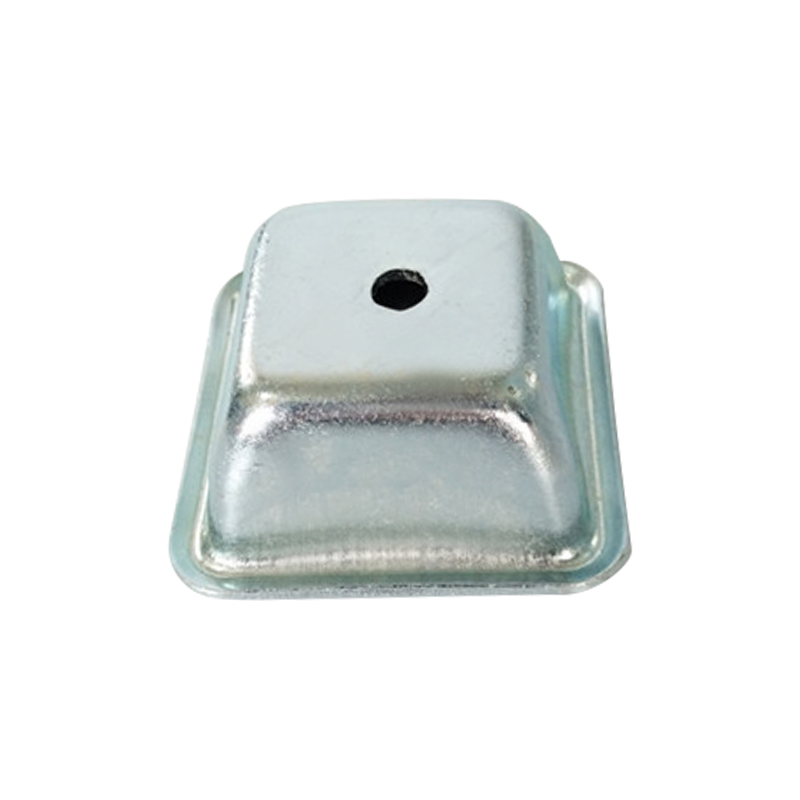
Yerleştirme tapaları, bir palet ayağının veya ayağının açık üst kısmına uyan, genellikle plastik veya çelikten oluşan daha küçük eklenti bileşenleridir. Kirmell Ltd, yerleştirme tapalarını paletler, konteynırlar veya raflardaki boşlukları doldurmak için tasarlanmış, genellikle kirlenmeyi önlemek, ürünleri düzenli tutmak ve depolama sırasında öğeleri stabilize etmek için açıklıklara yerleştirilen küçük bileşenler olarak tanımlamaktadır (Kaynak: Kirmell Ltd, Yerleştirme Tıkaçları Nedir ve Depolar Bunları Neden Kullanıyor). Bir damacana diğerinin üzerine istiflendiğinde, alt ünitedeki tapa tam olarak yukarıdaki ünitenin ayağına yerleşir ve istifin kaymaması veya birbirinden kaymaması için ikisini birbirine kilitler.
Palet ayakları ve yerleştirme tapalarının kombinasyonu, her biri belirli bir operasyonel zorluğa hitap eden birçok farklı depo işlevinde karşımıza çıkıyor.
Depo taban alanı, herhangi bir lojistik operasyondaki en pahalı kaynaklardan biridir; bu nedenle istifleme, verimli depolamanın merkezinde yer alır. Kirmell Ltd, yerleştirme tapalarının konteynerler ve paletlerdeki boşlukları doldurarak depo alanını maksimuma çıkarmaya yardımcı olduğunu ve birden fazla palet veya konteynır birlikte istiflendiğinde yerleştirme tapasının öğelerin kaymasını önlediğini ve daha istikrarlı bir istifleme konfigürasyonu oluşturduğunu belirtiyor (Kaynak: Kirmell Ltd, Palet Ayakları ve Yerleştirme Tapalarıyla Çözülen Ortak Depolama Sorunları). Bu istifleme stabilitesi, depoların envanteri ek zemin alanına yaymak yerine dikey alanı kullanmasına olanak tanıyan şeydir.
Gıda, ilaç veya elektronik madde depolayan depolarda, ürünleri yerden ve toz ve nemden uzak tutmak temel bir gerekliliktir. Kirmell Ltd, palet ayaklarının paletleri yerden yükselterek ürünlerin kir, nem veya kirletici maddelerle temas etmesini önlediğini ve bunun özellikle çabuk bozulan mallar veya temiz bir depolama ortamı gerektiren öğeler için önemli olduğunu belirtiyor (Kaynak: Kirmell Ltd, Ortak Depolama Sorunları Palet Ayakları ve Yuvalama Tıkaçlarıyla Çözüldü). Aynı kaynak, palet ile zemin arasında ortaya çıkan hava akışı boşluğunun, aksi takdirde küf ve mantar oluşumuna yol açabilecek nem oluşumunu da azalttığını belirtmektedir (Kaynak: Kirmell Ltd, Palet Ayakları ve Yuvalama Tıkaçları ile Çözülen Ortak Depolama Sorunları). Yerleştirme tapaları, açıklıkları toza ve döküntülere karşı kapatarak ikinci bir koruma katmanı ekler; bu, Kirmell Ltd'nin, tıkaçların hijyen ve ürün bütünlüğünü korumaya yardımcı olduğunu belirttiği gıda ve ilaç depoları için özellikle geçerlidir (Kaynak: Kirmell Ltd, Yerleştirme Tapaları Nedir ve Depolar Neden Bunları Kullanıyor).
Zemin alanının sınırlı olduğu ve istiflerin daha yüksek olduğu yüksek yoğunluklu palet raf sistemlerinde stabilite, verimlilik kadar bir güvenlik sorunu haline gelir. Kirmell Ltd, paletlerin üst üste istiflendiği depolarda yuvalama tapalarının paletlerin yerinde kalmasını ve yükün eşit şekilde dağıtılmasını sağladığını, bunun da alanın sınırlı olduğu ve stabilitenin önemli olduğu yüksek yoğunluklu raflarda özellikle önemli olduğunu belirtiyor (Kaynak: Kirmell Ltd, Yerleştirme Tapaları Nedir ve Depolar Neden Bunları Kullanıyor). Kaynak, nakliye konteynırlarında kullanılan yerleştirme tapalarının ürünler arasındaki boşlukları doldurmaya ve taşıma sırasında kaymayı önlemeye yardımcı olarak malların güvenli bir şekilde ulaşmasını sağladığını belirttiği taşıma sırasında da aynı mantık geçerlidir (Kaynak: Kirmell Ltd, Yuvalama Tıkaçları Nedir ve Depolar Neden Bunları Kullanıyor).
Depolar otomatik sistemleri giderek daha fazla benimsedikçe, paletin veya damıtmanın tabanında kullanılan bileşenlerin, tekrarlanan otomatik işlemler altında boyutsal olarak tutarlı ve güvenilir kalması gerekir. Kirmell Ltd, palet ayaklarının ve yerleştirme tapalarının, otomatik sistemler ve dikey depolama düzenleri de dahil olmak üzere hem küçük hem de büyük ölçekli depo çözümleri için tasarlandığını doğruladı (Kaynak: Kirmell Ltd, Palet Ayakları ve Yerleştirme Tapaları SSS). Bu uyumluluk önemlidir, çünkü otomatik geri alma sistemleri, uygun şekilde takılmış bir palet ayağı ve yerleştirme tapası kombinasyonunun sağlamak üzere oluşturulduğu öngörülebilir istifleme geometrisine bağlıdır.
Palet ayakları ve yerleştirme tapaları herkese uyan tek parça bileşenler değildir. Tedarikçiler bunları farklı damacana ve raf profillerine uyacak şekilde birden fazla şekil, malzeme ve boyutta üretmektedir.
| Yapılandırma | Tipik Kullanım Durumu |
| Kare palet ayakları | Kutu kesitli dayama ve palet ayakları |
| Yuvarlak palet ayakları | Yuvarlak boru bacaklı dayamalar ve raflar |
| Kaynağa hazır palet ayakları | Yeni damıtıcı imalatı ve onarımı |
| Sabit, ayarlanabilir veya istiflenebilir ayaklar | Yük kapasitesi ve istifleme ihtiyaçlarının eşleştirilmesi |
| Plastik yuvalama tapaları | Hafif istifleme ve hijyene duyarlı depolama |
Malzeme seçimi uygulamanın kendisi ile aynı mantığı izler. Kirmell Ltd, palet ayaklarının yumuşak çelik, paslanmaz çelik ve alüminyumdan üretildiğini ve seçimin yük kapasitesi, korozyon direnci ve hijyen gerekliliklerine göre özelleştirildiğini belirtiyor (Kaynak: Kirmell Ltd, Palet Ayakları ve Yerleştirme Tapaları SSS). Boyutlandırma konusunda referans olması açısından Avatan Handling Equipment yaygın olarak kullanılan F1 palet ayağını şu adreste listeliyor: 125x125x54mm 52 mm kare düz üst plakalı, 2,3 mm kalınlığında çelikten preslenmiş ve 50 mm'ye kadar kare açı veya kutu kesite uygun (Kaynak: Avatan Handling Equipment, F1 Palet Ayağı). Birleşik Krallık'taki bir tedarikçinin taban genişliği 186mm daha büyük yükler taşıyan kutu ve köşebent paletler için (Kaynak: Kirmell Ltd, Palet Ayakları ve Satılık Yuvalama Fişleri).
Doğru palet ayaklarının ve yerleştirme tapalarının seçilmesi, bileşenin sabit profil, yük ve depolama ortamıyla eşleştirilmesine bağlıdır. Aşağıdaki kontrol listesi ana karar noktalarını kapsamaktadır.
Bu seçimi başlangıçta doğru yapmak, yaygın ve maliyetli bir hatayı önler: orijinal ayaklar veya tapalar raf profiline veya yük gereksinimlerine doğru şekilde eşleşmediği için daha sonra tüm sabit donanım grubunu değiştirmek.
Palet ayakları ve yuvalama tapaları destekledikleri raflara, dayamalara ve paletlere göre küçüktür, ancak depo sistemindeki rolleri boyutlarıyla orantısızdır. Kirmell Ltd, yuvalama tıkaçlarının küçük, basit bir bileşen gibi görünebileceğini, ancak depo depolamasını, verimliliğini ve güvenliğini artırmak için inanılmaz derecede etkili araçlar olduklarını belirterek bunu çok iyi özetlemektedir (Kaynak: Kirmell Ltd, Yerleştirme Tıkaçları Nedir ve Depolar Neden Bunları Kullanıyor). Güvenilir bir set palet ayakları ve yuvalama tapaları yığılmış envanteri sabit tutar, malları kirli zemin yüzeylerinden uzak tutar ve bir tesisin dikey depolama kapasitesinin tasarlandığı şekilde çalışmasını sağlar; bu da bu bileşenleri sonradan akla gelen bir düşünce olmaktan ziyade, iyi yönetilen herhangi bir depolama sisteminin temel parçası haline getirir.
İster ortağımız olmak isteyin, ister ürün seçimi ve sorun çözümleri konusunda profesyonel rehberliğimize veya desteğimize ihtiyaç duyun, uzmanlarımız dünya çapında 12 saat içinde her zaman yardıma hazırdır.
bize Ulaşın
Phone:+86 139-5824-9488
FAX :+86 574-86150176
E-mail: [email protected] [email protected]
Address: Ünite 2, Bina 19, Zhichuangzhizao Parkı, Chengdong Sanayi Bölgesi, Xiangshan, Ningbo,315705, Zhejiang, Çin
Palet ayakları ve yuvalama tapaları iki bileşenli bir yükseltme ve istifleme s...
Yüksek kaliteyi seçmek için Metal Damgalama Parçaları , beş alanı sırayla d...
Metal Damgalama Parçaları birbirine bağlı dört mekanizma aracılığıyla üretim v...
